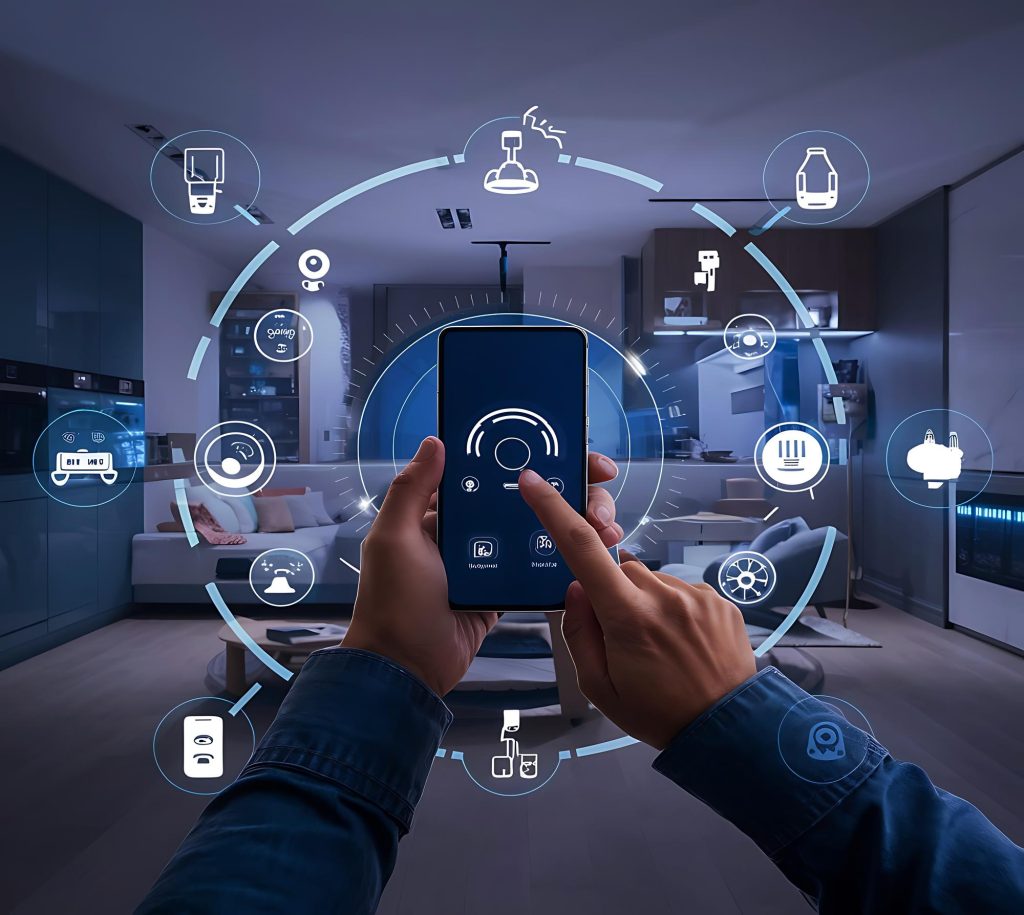
Smart home technology has rapidly evolved over the past decade, transforming how people interact with their living spaces. What once seemed like futuristic technology is now becoming a common feature in households around the world.
A smart home typically includes devices connected through the internet that allow users to control lighting, heating, security systems, and appliances remotely. These devices are usually managed through mobile apps or voice assistants, making it easier for homeowners to monitor and control their homes.
One of the biggest advantages of smart home technology is convenience. For example, smart lighting systems can automatically adjust brightness based on time of day or occupancy. Smart thermostats can learn user preferences and adjust temperature settings to optimize comfort and energy efficiency.
Security is another major benefit. Smart security cameras, motion sensors, and doorbell cameras allow homeowners to monitor their property in real time from anywhere. Many systems also send alerts if unusual activity is detected.
Energy efficiency is also an important reason why many people invest in smart home technology. Devices such as smart thermostats and smart plugs help reduce energy consumption by automatically turning off unused appliances.
However, as smart homes become more connected, cybersecurity becomes increasingly important. Protecting smart devices with secure passwords and regular software updates is essential to prevent unauthorized access.
Looking ahead, smart homes are expected to become even more integrated through artificial intelligence and advanced automation. Future systems may anticipate user behavior and adjust settings automatically to improve comfort and efficiency.
As technology continues to evolve, smart homes are likely to play an increasingly important role in modern lifestyles.