Over the past decade, smart technology has quietly become part of everyday life. Devices that once seemed futuristic—voice assistants, smart thermostats, and automated home systems—are now common in homes around the world.
Smart technology refers to devices connected to the internet that can collect data and interact with users or other devices. These systems are designed to make everyday tasks easier, more efficient, and often more personalized.
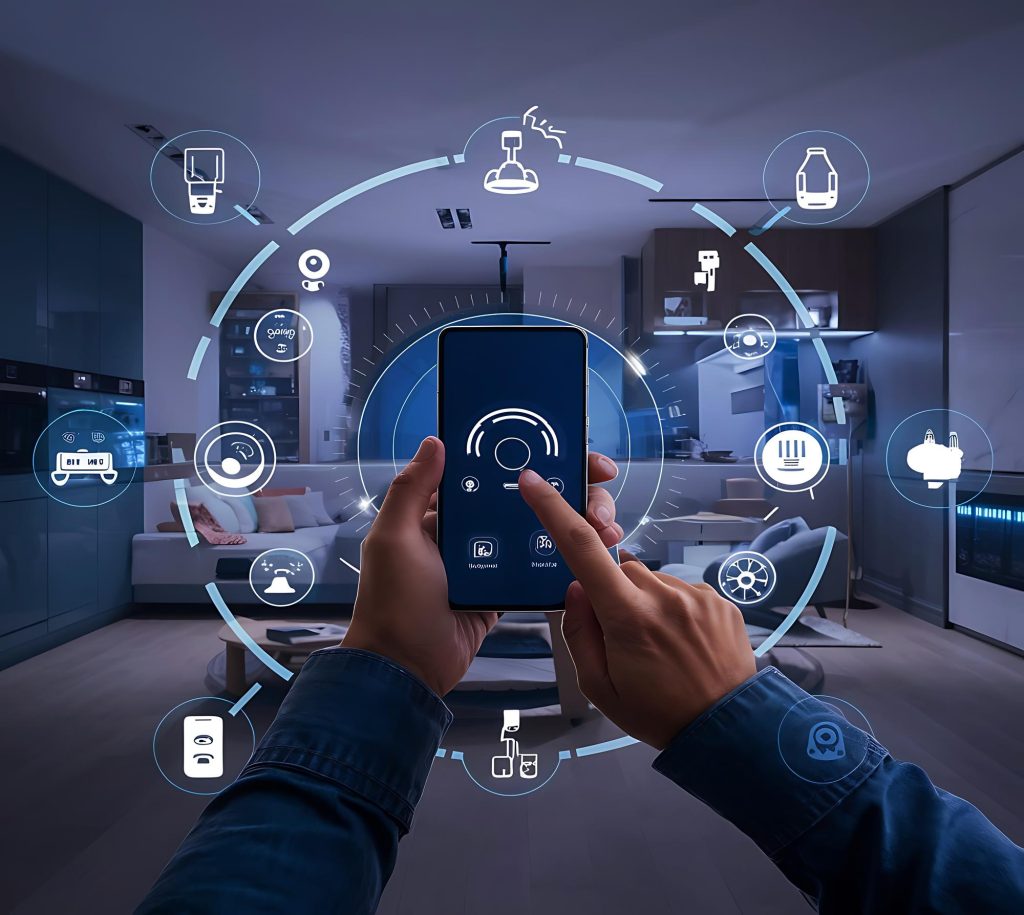
One of the most visible examples of smart technology is the modern smart home. Devices such as smart lights, smart speakers, and smart security cameras allow homeowners to control their environment through mobile apps or voice commands. For example, users can adjust lighting, control heating, or monitor security cameras even when they are away from home.
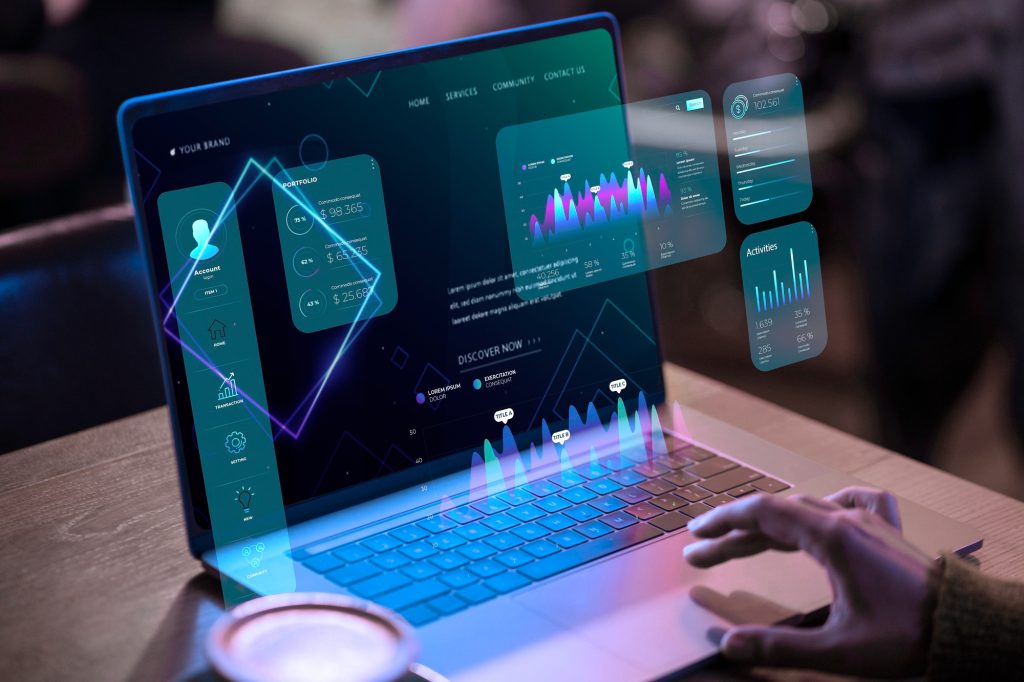
Another area where smart technology is rapidly growing is personal productivity. Digital assistants can manage schedules, send reminders, and help organize daily routines. Many professionals now rely on digital tools that integrate calendars, task managers, and communication platforms.
Smart wearables are also playing an important role. Devices such as fitness trackers and smartwatches monitor health metrics including heart rate, sleep quality, and daily activity levels. These devices provide insights that help people improve their health and fitness habits.
In transportation, smart technology is improving safety and efficiency. Modern vehicles often include features like adaptive cruise control, lane assistance, and intelligent navigation systems that use real-time traffic data.
Despite its benefits, smart technology also raises questions about data privacy and digital security. Because many devices collect user data, companies must ensure that information is protected and used responsibly.
Looking ahead, experts expect smart technology to continue expanding through innovations in artificial intelligence and the Internet of Things. As more devices become connected, the digital ecosystem will become increasingly integrated into daily life.
For many people, smart technology is no longer a luxury but a practical tool that improves convenience, productivity, and quality of life.